NASA updates Moon rover plans as VIPER targets 2027
NASA’s latest update covers VIPER’s remaining preparations and the rovers intended to carry astronauts. Future mission dates remain targets.
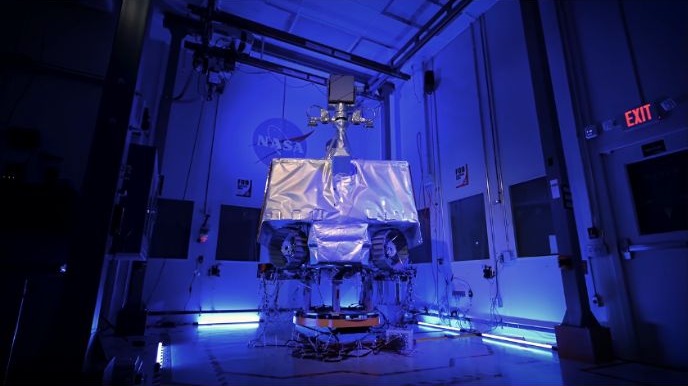
NASA has released a new look at the rovers it plans to send to the lunar south pole, with VIPER targeting a 2027 mission and vehicles for astronauts planned to follow. The October 20 update describes testing and preparations for a future Moon base. [2][1]
VIPER is designed to investigate water ice and other resources. NASA says the rover is fully built and undergoing final testing at Johnson Space Center in Houston. A Blue Moon Mark 1 lander is intended to deliver it to the Moon, where its measurements would help researchers assess the region’s resources and conditions. [2]
Work remains before that trip. In the video, the VIPER team describes preparations for Deep Space Network compatibility testing in December and coordination with Blue Origin on getting the rover safely off its lander. The launch, landing and surface exploration are still ahead. [1]
NASA’s astronaut rovers are a separate effort. Astrolab’s CLV-1 and Lunar Outpost’s Pegasus are being developed to drive remotely before crews arrive and carry astronauts later. NASA says Blue Origin is tasked with delivering these lunar terrain vehicles by 2028. Mockups have been used to evaluate how astronauts would interact with them. [2]
Outside reporting also shows hardware work under way. Space.com’s Chelsea Gohd reported from Astrolab’s October 14 media event and photographed its smaller FLIP rover in a clean room. Her October 20 report describes a planned onboard computing experiment. FLIP is a separate robotic mission; those observations do not establish that the larger astronaut rover is ready for lunar operations. [3]
The U.S. Government Accountability Office’s July assessment records the awards to Astrolab and Lunar Outpost and identifies an important development question: whether a lunar terrain vehicle could return astronauts to their lander within 45 minutes in an emergency. At the time of that assessment, further testing was planned. The report is independent oversight, but it is not an October test result. [4]
For readers, the next milestones to watch are completed tests, delivery readiness and successful flights. The new video offers a progress update; the dates remain mission plans, and it does not announce an operating lunar base. [2][1]
Sources & context · 4
- NASA
Published 2026-10-20. Original video; date and verified channel inspected. Visible English transcript inspected, with selected frames. No claim of complete audio review. A NASA video and NASA article are the same reporting origin. Contractor statements in the video remain interested-party statements.
- NASA
Published 2026-10-20; updated 2026-10-21. Current primary account of hardware status, objectives and delivery targets. Mission dates and claimed readiness are attributed to NASA, not independently certified by EWN.
- Space.com
Published 2026-10-20. Separate observation and photography of FLIP at Astrolab; independent reporting, with company-supplied mission expectations. Does not verify VIPER readiness, CLV-1 completion, Pegasus completion or any future landing. No Space.com image reused.
- U.S. Government Accountability Office
Published 2026-07-23. Independent oversight of the LTV program and risks; section: Extravehicular Activity and Human Surface Mobility Program — Lunar Terrain Vehicle, Current Status. Historical audit context, not confirmation of October progress. Its awards information derives from NASA records; its risk assessment adds distinct scrutiny.